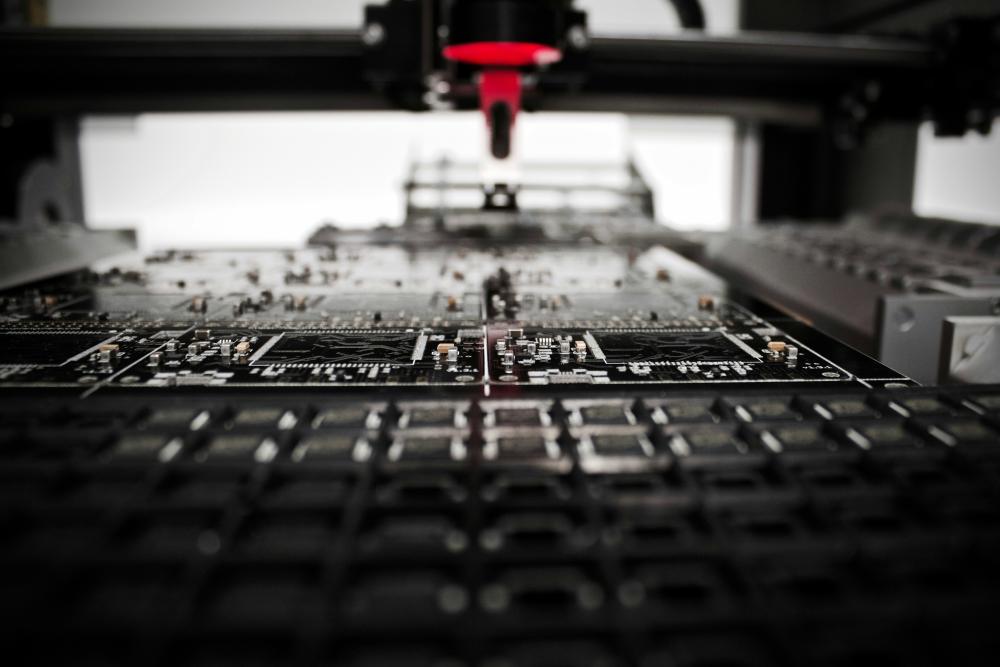
As AI reshapes industries, the Alliance for Technological Advancement shares insights on minimizing disruption in electronics manufacturing. Embracing AI can boost efficiency, foster innovation, and ensure a competitive edge in a rapidly evolving market.
Here are our top three AI integration strategies for electronics manufacturing:
- Prioritize Employee Training
Invest in comprehensive training programs to equip your workforce with the skills needed to collaborate effectively with AI systems. Emphasize continuous learning to adapt to new AI-driven processes and technologies. This will ensure a smooth transition and maximize the benefits of AI adoption. - Implement AI Gradually
Introduce AI solutions incrementally, starting with well-defined pilot projects. This approach allows you to assess the impact of AI on specific areas of your manufacturing process, refine your strategies, and build confidence among your team. Gradual implementation minimizes disruption and ensures a successful integration. - Focus on Data Quality and Security
Ensure the accuracy, reliability, and security of your data. Implement robust data governance policies and invest in advanced cybersecurity measures to protect sensitive information. High-quality data is essential for effective AI performance, and strong security protocols are crucial for maintaining customer trust.
Another way to prepare for AI is to explore partnerships with AI vendors or research institutions. However, this is not always feasible for every organization.
In the meantime, following the above three points will help you to mitigate potential challenges and harness the power of AI in your electronics manufacturing operations.